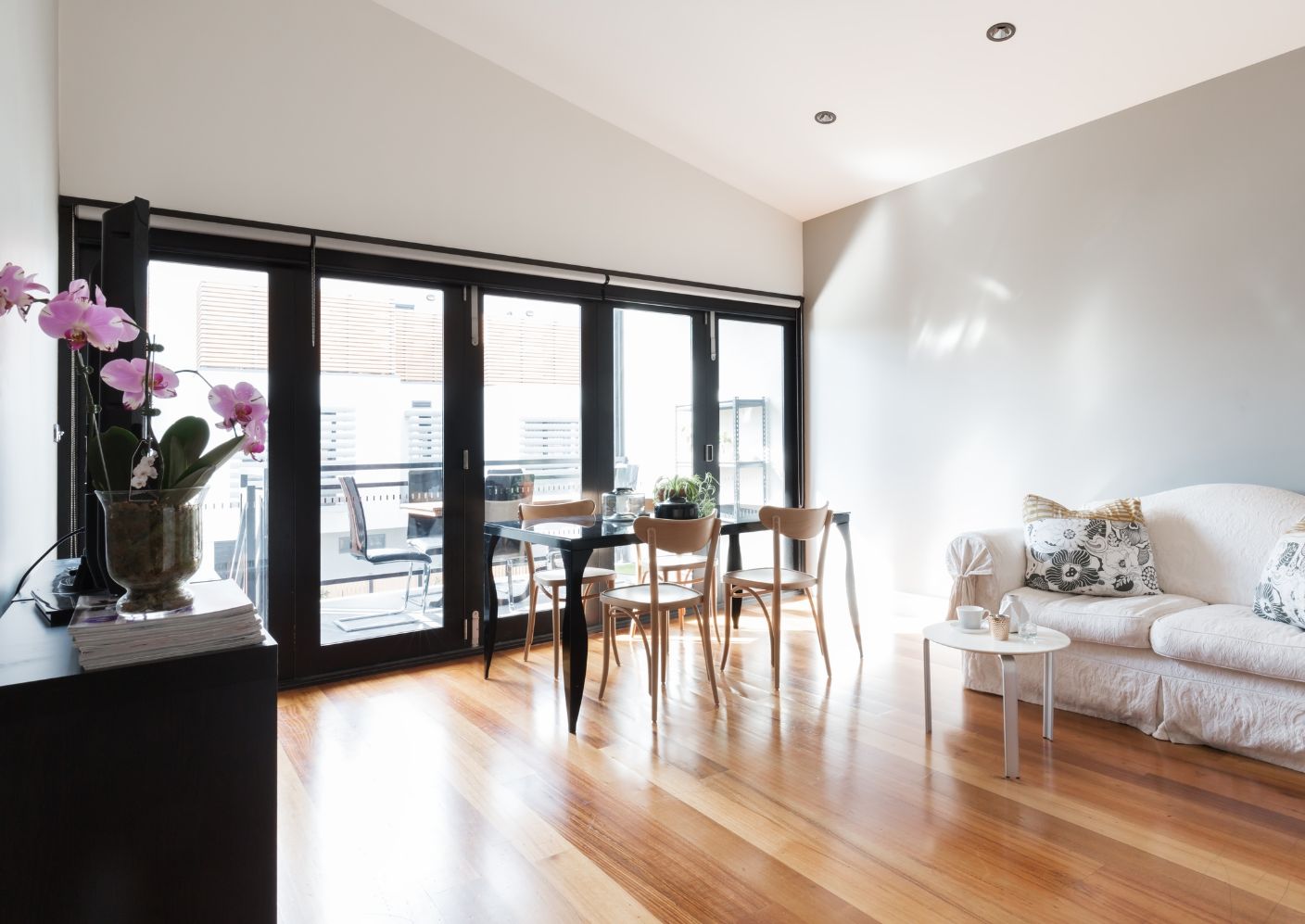
Thinking about upgrading your windows or designing a new rear extension? If you want to make a real design statement, you have probably come across Crittall windows.
From period properties in Leigh-on-Sea to sleek, modern renovations in Chelmsford, steel-framed heritage windows are exploding in popularity across Essex.
But what exactly are they, why do they cost more than standard uPVC, and are they right for your home? Here is everything you need to know.
What are Heritage Crittall Windows?
Originally developed in Essex back in the 1880s by Francis Henry Crittall, genuine Crittall® windows are made from high-grade, slimline steel.
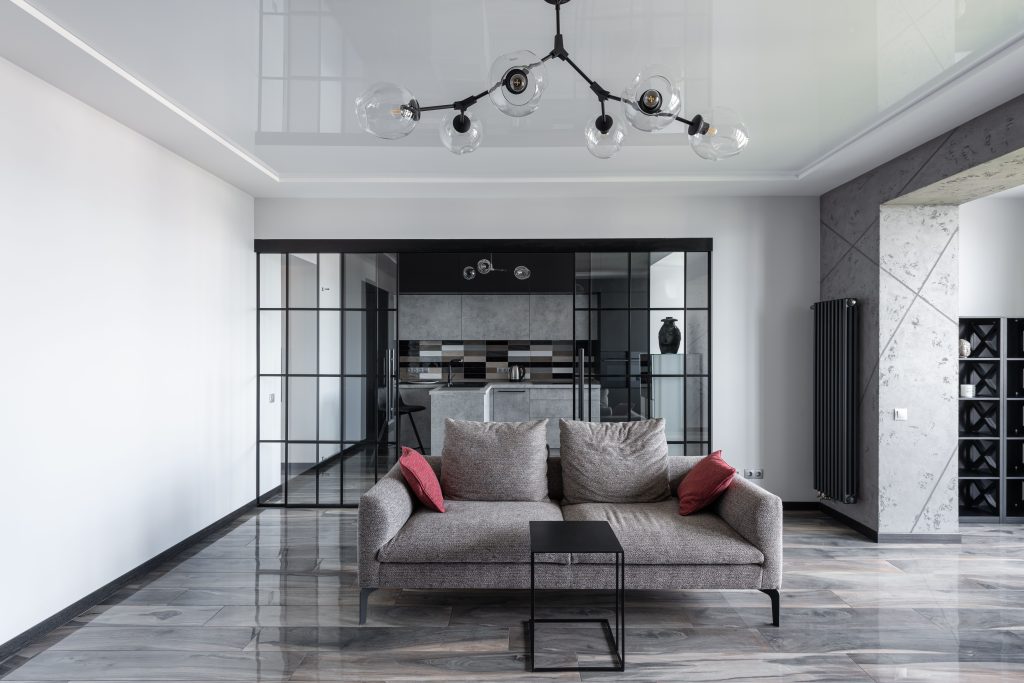
They are famous for their iconic “grid” look – using thin black metal bars (called mullions and transoms) to frame large panes of glass. While they peaked in popularity during the Art Deco movement of the 1920s and 30s, they have made a massive comeback in contemporary architecture.
Why Are Homeowners Choosing Them?
If you are weighing up your options for a home transformation, heritage steel-framed glazing offers a few major advantages over standard windows:
- Unmatched Slim Profiles: Because steel is incredibly strong, the frames can be exceptionally thin. This means less chunky frame and more glass, flooding your living space with natural light.
- The “Inside-Outside” Blend: If you are building a kitchen extension, Crittall doors act like a striking picture frame for your garden, blending your indoor and outdoor spaces beautifully.
- Versatile Style: They possess a rare design superpower – they look just as authentic on a 1930s traditional home as they do providing an industrial-chic edge to a ultra-modern minimalist extension.
The Elephant in the Room: Steel vs. Aluminium “Smart” Alternatives
True Crittall windows are made of steel, which delivers the slimmest possible profile and unmatched longevity. However, steel is a premium product with a price tag to match.
If budget is a primary concern, many Essex homeowners opt for high-quality aluminium heritage-style windows. Modern aluminium alternatives mimic the slim, grid-like look exceptionally well while offering fantastic thermal efficiency and a more accessible price point.
Do You Need Planning Permission for Crittall Windows?
In most standard scenarios across Essex, replacing existing windows or installing new doors falls under Permitted Development, meaning you won’t need full planning permission.
However, there is a major exception to watch out for: Conservation Areas and Listed Buildings.
If your home is in one of Southend’s conservation zones (like the Clifftown Conservation Area or Crowstone), or if you own a listed character property, changing your windows is heavily restricted. The council will want to ensure any changes preserve the historic architecture. The good news? Because Crittall is a historic, authentic material, local planning authorities often look much more favourably on steel-framed options than uPVC alternatives.
How Contrast Can Help
Upgrading your glazing or integrating heritage doors into an extension involves more than just picking a design. You have to consider structural support (especially for large spans of glass), thermal efficiency, and local planning guidelines.
At Contrast, we take care of the heavy lifting:
- Structural Planning: We calculate the exact structural steelwork needed to support large, beautiful configurations of heritage glass.
- Style Match: We help you decide whether genuine steel or high-performance heritage aluminium is the best fit for your property type and budget.
- Local Council Expertise: If you live in an Essex conservation area, we can help to handle the planning paperwork to make sure your project gets green-lit smoothly.
Ready to bring that iconic, light-filled look to your home? Whether you want to install a standout internal room divider or a stunning wall of glass leading out to your garden, we can make it happen.
Contact Contrast today to book a free site survey, and let’s bring your vision to life.
Check out our windows page to see our full range of window options.